
Plantar warts are small growths that develop on parts of the feet that bear weight. They're typically found on the bottom of the foot. Don't live with plantar warts, and call us today!
Plantar warts are small growths that develop on parts of the feet that bear weight. They're typically found on the bottom of the foot. Don't live with plantar warts, and call us today!
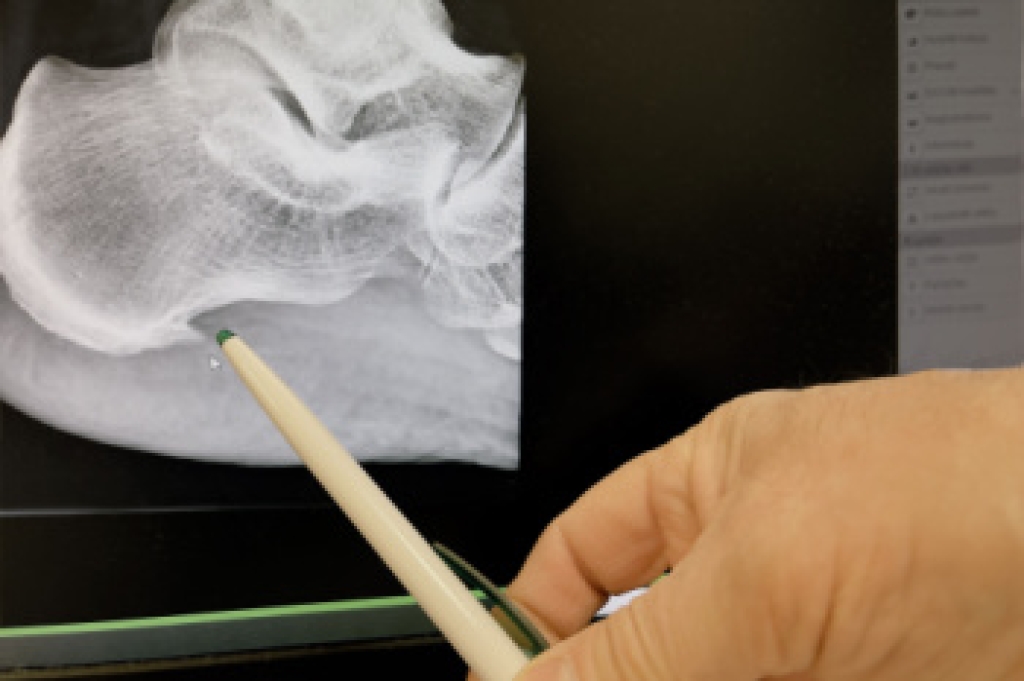
A heel spur is a small, bony growth that can develop on the heel bone. A plantar heel spur forms beneath the heel, while a posterior heel spur develops near the back of the heel. These growths can occur when repeated stress causes changes where soft tissue attaches to bone. Heel spurs may be found during an X-ray even when they cause no symptoms. When symptoms do occur, people may notice heel pain, tenderness, or discomfort while standing or walking.
Heel spurs are often associated with long-term strain on the foot. Risk factors include repetitive activity, excess pressure on the feet, and certain foot structures. Wearing unsupportive shoes can also increase stress around the heel. Flat feet and high arches may change how pressure moves through the foot. Previous foot injuries can contribute as well. Although a heel spur can look like a small pointed projection on an X-ray, its appearance does not always explain the amount of pain a person experiences.
Symptoms can vary depending on where the heel spur develops and what structures surround it. A plantar heel spur may be linked with pain beneath the heel, especially after periods of rest. A posterior heel spur may cause discomfort where the Achilles tendon meets the heel. Swelling or tenderness can develop around irritated tissue. A podiatrist will review your symptoms and examine your foot. X-rays may help identify a spur and evaluate the surrounding bone structure.
Treatment focuses on reducing pressure and addressing the source of irritation. A podiatrist may recommend wearing supportive footwear, custom or activity changes based on your needs. Medication may help manage discomfort when appropriate. The foot can then be monitored as symptoms improve. Surgery is generally considered only when persistent pain does not respond to conservative care. If you have heel pain, it is strongly suggested that you consult a podiatrist who can accurately diagnose and treat heel spurs.
Heel spurs can be incredibly painful and sometimes may make you unable to participate in physical activities. To get medical care for your heel spurs, contact one of our podiatrists from Cleveland Foot & Ankle Clinic. Our doctors will do everything possible to treat your condition.
Heels Spurs
Heel spurs are formed by calcium deposits on the back of the foot where the heel is. This can also be caused by small fragments of bone breaking off one section of the foot, attaching onto the back of the foot. Heel spurs can also be bone growth on the back of the foot and may grow in the direction of the arch of the foot.
Older individuals usually suffer from heel spurs and pain sometimes intensifies with age. One of the main condition's spurs are related to is plantar fasciitis.
Pain
The pain associated with spurs is often because of weight placed on the feet. When someone is walking, their entire weight is concentrated on the feet. Bone spurs then have the tendency to affect other bones and tissues around the foot. As the pain continues, the feet will become tender and sensitive over time.
Treatments
There are many ways to treat heel spurs. If one is suffering from heel spurs in conjunction with pain, there are several methods for healing. Medication, surgery, and herbal care are some options.
If you have any questions, please feel free to contact our offices located in Cleveland, Independence, and Kent, OH . We offer the newest diagnostic and treatment technologies for all your foot care needs.
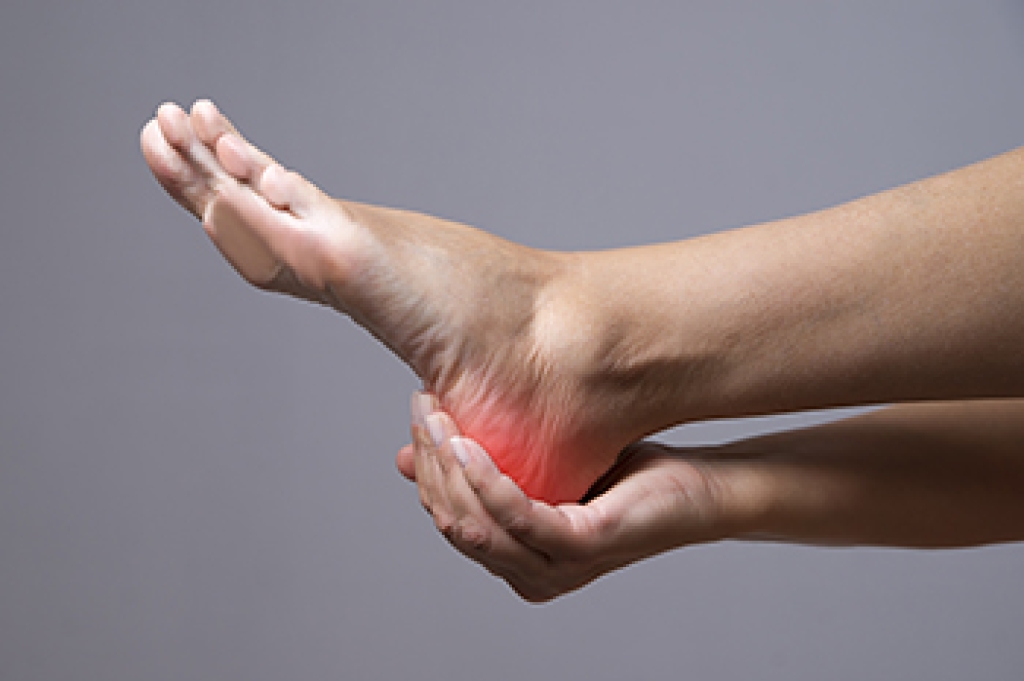
Inferior calcaneal bursitis is inflammation of a small fluid-filled sac beneath the heel bone. This bursa helps reduce friction during walking. When irritated, heel pain can develop beneath the heel. Symptoms may include tenderness, aching, or discomfort when standing. Pain may become worse after activity or pressure. Some people describe the area as bruised or sensitive. Understanding the cause of heel pain is important because several foot conditions can create similar symptoms.
Several factors can increase the risk of inferior calcaneal bursitis. Repetitive walking, running, or jumping can stress the heel. Wearing unsupportive footwear may increase pressure in this area. Certain foot mechanics can create uneven weight distribution, and excess body weight can increase heel stress. A sudden increase in activity may trigger irritation. Direct impact and prolonged standing may contribute to inflammation. Identifying these factors helps a podiatrist create appropriate treatment.
Diagnosis begins with questions about when pain started and what activities make it worse. A podiatrist examines the heel for tenderness, swelling, and irritation. Gentle pressure can help identify the painful area. Imaging, such as an X-ray or ultrasound, may be recommended when another condition needs review. Treatment may begin with reducing aggravating activities and choosing supportive footwear. A podiatrist may recommend custom orthotics to improve pressure distribution. Padding, medication, or an injection may also be considered, when appropriate.
Healing depends on addressing the source of irritation. Your podiatrist can monitor symptoms and adjust treatment as your heel improves. Persistent heel pain should not be ignored, especially when it affects walking. An accurate diagnosis helps separate bursitis from other causes of heel pain. A personalized treatment plan can support safe, comfortable daily movement and reduce irritation again. If you have consistent heel pain, it is suggested that you consult a podiatrist who can accurately diagnose and treat inferior calcaneal bursitis.
Many people suffer from bouts of heel pain. For more information, contact one of our podiatrists of Cleveland Foot & Ankle Clinic. Our doctors can provide the care you need to keep you pain-free and on your feet.
Causes of Heel Pain
Heel pain is often associated with plantar fasciitis. The plantar fascia is a band of tissues that extends along the bottom of the foot. A rip or tear in this ligament can cause inflammation of the tissue.
Achilles tendonitis is another cause of heel pain. Inflammation of the Achilles tendon will cause pain from fractures and muscle tearing. Lack of flexibility is also another symptom.
Heel spurs are another cause of pain. When the tissues of the plantar fascia undergo a great deal of stress, it can lead to ligament separation from the heel bone, causing heel spurs.
Why Might Heel Pain Occur?
Treatments
Heel pain should be treated as soon as possible for immediate results. Keeping your feet in a stress-free environment will help. If you suffer from Achilles tendonitis or plantar fasciitis, applying ice will reduce the swelling. Stretching before an exercise like running will help the muscles. Using all these tips will help make heel pain a condition of the past.
If you have any questions, please feel free to contact our offices located in Cleveland, Independence, and Kent, OH . We offer the newest diagnostic and treatment technologies for all your foot care needs.

Foot numbness is a loss of feeling in part or all of the foot. It may feel like tingling, pins and needles, or reduced sensitivity. Temporary numbness can happen when pressure affects a nerve. Persistent or recurring numbness deserves attention because it can signal an underlying health problem. Symptoms include weakness, balance changes, or difficulty noticing injuries. Finding the cause early can help protect foot health and movement.
Several conditions can contribute to numb feet. Poor circulation may reduce oxygen reaching nerves and tissues. Nerve damage, known as neuropathy, can interfere with normal sensation. Diabetes is a common cause of peripheral neuropathy. Other conditions linked with foot numbness include thyroid disease, kidney failure, and Lyme disease. Injuries and pressure on nerves can also contribute. Risk factors include diabetes, circulation problems, and nutritional deficiencies.
A podiatrist will begin with an evaluation and medical history. The examination may include checking sensation, reflexes, and muscle strength. The podiatrist may also examine footwear, and testing may be recommended to identify the cause. Treatment depends on the diagnosis and may include wearing supportive footwear, protecting areas with reduced sensation, or treating related foot problems.
Numb feet should not be ignored, particularly when numbness continues or occurs with weakness or skin changes. Reduced sensation can make it easier to miss blisters, cuts, or other injuries, so regular foot checks are important. Wear comfortable, properly fitting shoes, and avoid walking barefoot when sensation is reduced. Protecting the feet can lower the chance of complications while the cause is evaluated. If your feet are numb, it is suggested that you promptly consult a podiatrist who can determine the cause and offer effective management solutions.
Foot Pain
Foot pain can be extremely painful and debilitating. If you have a foot pain, consult with one of our podiatrists from Cleveland Foot & Ankle Clinic. Our doctors will assess your condition and provide you with quality foot and ankle treatment.
Causes
Foot pain is a very broad condition that could be caused by one or more ailments. The most common include:
Diagnosis
To figure out the cause of foot pain, podiatrists utilize several different methods. This can range from simple visual inspections and sensation tests to X-rays and MRI scans. Prior medical history, family medical history, and any recent physical traumatic events will all be taken into consideration for a proper diagnosis.
Treatment
Treatment depends upon the cause of the foot pain. Whether it is resting, staying off the foot, or having surgery; podiatrists have a number of treatment options available for foot pain.
If you have any questions, please feel free to contact our offices located in Cleveland, Independence, and Kent, OH . We offer the newest diagnostic and treatment technologies for all your foot care needs.
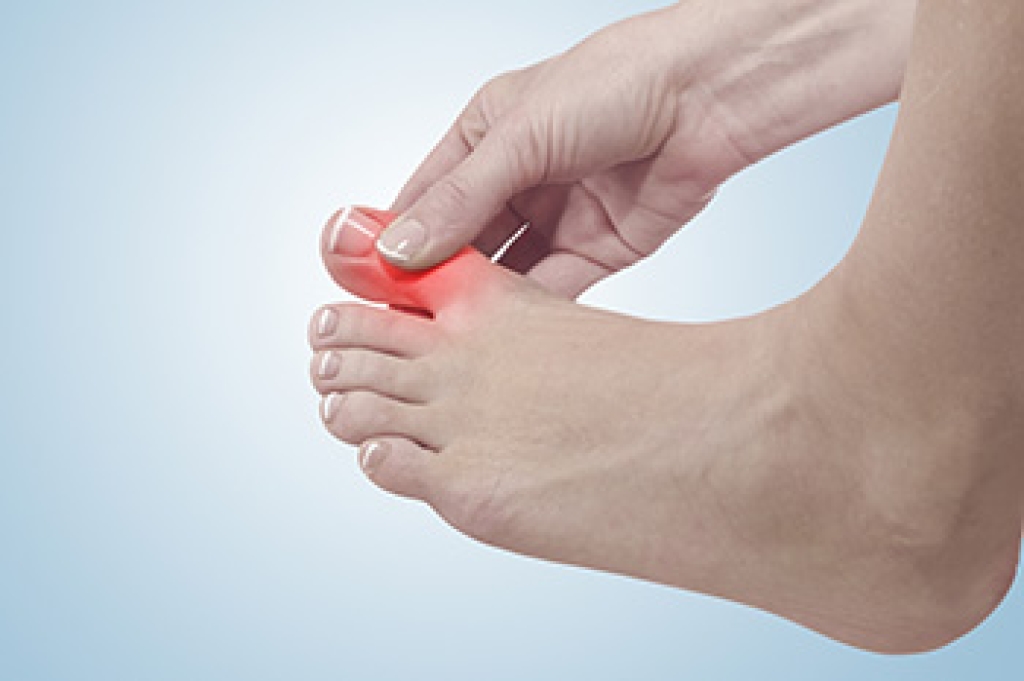
Big toe pain can make every step uncomfortable and limit normal daily activities. Several conditions can affect the joint at the base of the big toe, including injuries and inflammatory arthritis. Two well-known causes are turf toe and gout. Turf toe happens when the big toe bends beyond its normal range, stretching or tearing the supporting tissues. Gout develops when uric acid builds up in the body and forms sharp crystals inside the joint. Both conditions cause pain, swelling, stiffness, and difficulty walking, but they begin for very different reasons.
Turf toe usually follows a sports or dance injury where forceful movement pushes the toe upward too far. Pain starts quickly, and the joint feels tender when moving or bearing weight. Bruising can appear around the base of the toe. Gout can begin suddenly, sometimes at night, with intense pain, warmth, redness, and swelling. Even light pressure can feel severe. Repeated gout attacks can damage the joint and reduce movement. Although turf toe and gout share similar symptoms, their causes are different, making an accurate diagnosis extremely important before treatment begins.
A podiatrist carefully examines the painful toe and reviews how the symptoms started. Imaging studies, blood tests, and joint fluid testing help confirm the cause when questions remain. Identifying the correct problem allows treatment to match the condition, instead of only addressing the pain. For turf toe, a podiatrist protects the joint, reduces strain, and monitors healing. For gout, a podiatrist works to identify the joint damage and helps manage the condition with long-term foot care. Surgery may be recommended when serious joint damage or severe instability makes it necessary. Prompt diagnosis helps preserve joint function and improve comfort with everyday activities. If you have a painful big toe, it is suggested that you schedule an appointment with a podiatrist for an accurate diagnosis and appropriate treatment.
Toe pain can disrupt your daily activities. If you have any concerns, contact one of our podiatrists of Cleveland Foot & Ankle Clinic. Our doctors can provide the care you need to keep you pain-free and on your feet.
What Causes Toe Pain?
Most severe toe pain is caused due to a sports injury, trauma from dropping something heavy on the toe, or bumping into something rigid. Other problems can develop over time for various reasons.
Toe pain can be caused by one or more ailments. The most common include:
When to See a Podiatrist
Diagnosis
In many cases the cause of toe pain is obvious, but in others, a podiatrist may want to use more advanced methods to determine the problem. These can range from simple visual inspections and sensation tests to X-rays and MRI scans. Prior medical history, family medical history, and any recent physical traumatic events will all be taken into consideration for a proper diagnosis.
Treatment
Treatments for toe pain and injuries vary and may include shoe inserts, padding, taping, medicines, injections, and in some cases, surgery. If you believe that you have broken a toe, please see a podiatrist as soon as possible.
If you have any questions please contact our offices located in Cleveland, Independence, and Kent, OH . We offer the newest diagnostic and treatment technologies for all your foot and ankle needs.
Connect With Us
