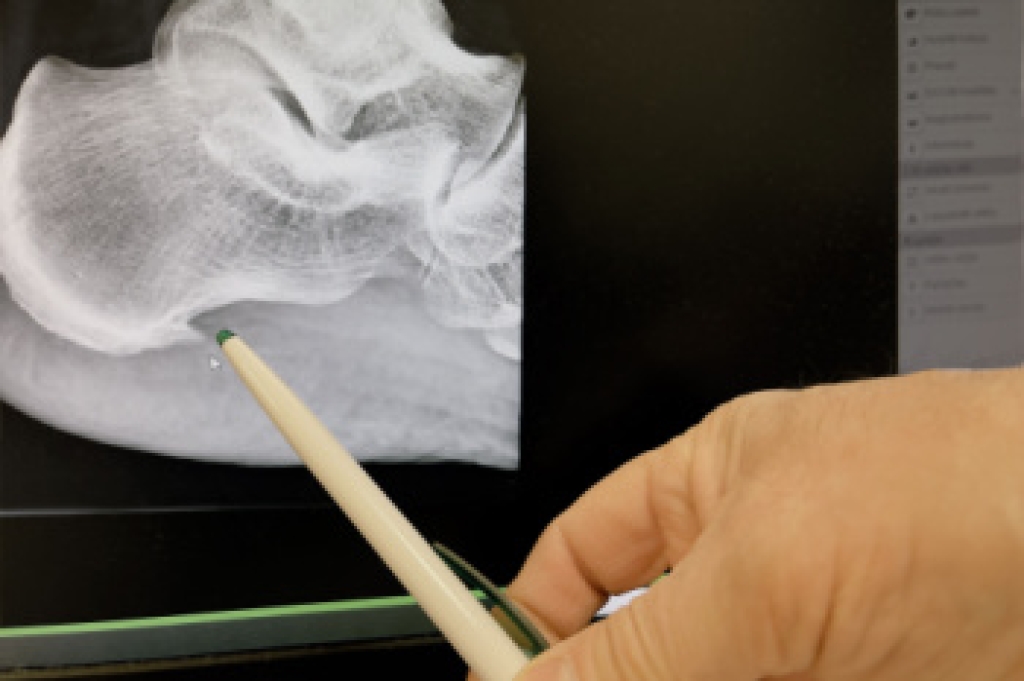
When Is Heel Spur Surgery Needed?

A heel spur is a small, bony growth that develops on the bottom of the heel bone due to long-term stress on the foot. Many people with a heel spur do not need surgery, but it may be considered when pain is ongoing and limits daily movement. Heel spur surgery is usually discussed only after a podiatrist has tried other medical treatment and the pain still affects walking or standing. It may also be needed if the spur is irritating nearby tissue or causing lasting inflammation, or swelling and pain in the area. A podiatrist can examine the foot and review imaging like X-rays to determine if surgery is needed. The procedure can remove the spur and reduce strain on the surrounding structures to improve comfort and function. If you have pain from a heel spur, it is suggested that you make an appointment with a podiatrist to see if surgery is an option.

Heel spurs can be incredibly painful and sometimes may make you unable to participate in physical activities. To get medical care for your heel spurs, contact one of our podiatrists from Cleveland Foot & Ankle Clinic. Our doctors will do everything possible to treat your condition.

Heels Spurs

Heel spurs are formed by calcium deposits on the back of the foot where the heel is. This can also be caused by small fragments of bone breaking off one section of the foot, attaching onto the back of the foot. Heel spurs can also be bone growth on the back of the foot and may grow in the direction of the arch of the foot.

Older individuals usually suffer from heel spurs and pain sometimes intensifies with age. One of the main condition's spurs are related to is plantar fasciitis.

Pain

The pain associated with spurs is often because of weight placed on the feet. When someone is walking, their entire weight is concentrated on the feet. Bone spurs then have the tendency to affect other bones and tissues around the foot. As the pain continues, the feet will become tender and sensitive over time.

Treatments

There are many ways to treat heel spurs. If one is suffering from heel spurs in conjunction with pain, there are several methods for healing. Medication, surgery, and herbal care are some options.

If you have any questions, please feel free to contact our offices located in Cleveland, Independence, and Kent, OH . We offer the newest diagnostic and treatment technologies for all your foot care needs.

Read more about Heel Spurs

Small Growths Can Cause Big Discomfort

Plantar warts are growths that develop on the bottom of the foot due to a viral infection in the skin. They often appear as small, rough areas with tiny black dots and may feel tender when walking or standing. Unlike other warts, they can grow inward because of pressure from body weight, creating a sensation similar to stepping on a pebble. The virus thrives in warm, moist environments, so it is commonly spread in locker rooms, around pools, or shared surfaces. A podiatrist can identify plantar warts through examination and may gently trim the area to reduce pressure and confirm the diagnosis. Treatment options include topical medications, freezing, or other in-office procedures designed to remove the wart and reduce recurrence. Early care can help prevent spread and discomfort. If you have plantar warts, it is suggested that you make an appointment with a podiatrist. 

Plantar warts can be very uncomfortable. If you need your feet checked, contact one of our podiatrists from Cleveland Foot & Ankle Clinic. Our doctors will assist you with all of your foot and ankle needs.

About Plantar Warts

Plantar warts are the result of HPV, or human papillomavirus, getting into open wounds on the feet. They are mostly found on the heels or balls of the feet.

While plantar warts are generally harmless, those experiencing excessive pain or those suffering from diabetes or a compromised immune system require immediate medical care. Plantar warts are easily diagnosed, usually through scraping off a bit of rough skin or by getting a biopsy.

Symptoms

  • Lesions on the bottom of your feet, usually rough and grainy
  • Hard or thick callused spots
  • Wart seeds, which are small clotted blood vessels that look like little black spots
  • Pain, discomfort, or tenderness of your feet when walking or standing

Treatment

  • Freezing
  • Electric tool removal
  • Laser Treatment
  • Topical Creams (prescription only)
  • Over-the-counter medications

To help prevent developing plantar warts, avoid walking barefoot over abrasive surfaces that can cause cuts or wounds for HPV to get into. Avoiding direct contact with other warts, as well as not picking or rubbing existing warts, can help prevent the further spread of plantar warts. However, if you think you have developed plantar warts, speak to your podiatrist. He or she can diagnose the warts on your feet and recommend the appropriate treatment options.

If you have any questions, please feel free to contact our offices located in Cleveland, Independence, and Kent, OH . We offer the newest diagnostic and treatment technologies for all your foot care needs.

Read more about Plantar Warts

Heel Pain Can Be Treated!

Do you suffer from heel pain when you get up in the morning? If so, you should seek professional help and have a proper diagnosis performed. Heel pain can be caused by several different foot-related conditions.

Comparing Types of Jones Fractures

A Jones fracture and a pseudo Jones fracture both affect the long bone on the outer side of the foot near the little toe. However, these fractures happen in different areas and heal in different ways. A pseudo Jones fracture, also called an avulsion fracture, happens at the base of the bone. It often occurs when the foot twists inward and a tendon pulls off a small piece of bone. Because this area has better blood flow, it usually heals faster. A true Jones fracture happens a little farther down the bone. It is usually caused by a sudden twist, turn, fall, or repetitive overuse. That area of the foot has less blood supply, so healing takes longer and problems are more likely. Both injuries can cause pain, swelling, bruising, and trouble walking. A podiatrist can diagnose the problem with X-rays and provide the right treatment. If you have pain on the outer side of the foot, it is suggested that you schedule an appointment with a podiatrist for a diagnosis and appropriate treatment.

A broken foot requires immediate medical attention and treatment. If you need your feet checked, contact one of our podiatrists from Cleveland Foot & Ankle Clinic. Our doctors can provide the care you need to keep you pain-free and on your feet.

Broken Foot Causes, Symptoms, and Treatment

A broken foot is caused by one of the bones in the foot typically breaking when bended, crushed, or stretched beyond its natural capabilities. Usually the location of the fracture indicates how the break occurred, whether it was through an object, fall, or any other type of injury. 

Common Symptoms of Broken Feet:

  • Bruising
  • Pain
  • Redness
  • Swelling
  • Blue in color
  • Numbness
  • Cold
  • Misshapen
  • Cuts
  • Deformities

Those that suspect they have a broken foot shoot seek urgent medical attention where a medical professional could diagnose the severity.

Treatment for broken bones varies depending on the cause, severity and location. Some will require the use of splints, casts or crutches while others could even involve surgery to repair the broken bones. Personal care includes the use of ice and keeping the foot stabilized and elevated.

If you have any questions, please feel free to contact our offices located in Cleveland, Independence, and Kent, OH . We offer the newest diagnostic and treatment technologies for all your foot care needs.

Read more about Causes, Symptoms, and Treatment for a Broken Foot

Gout and Its Lasting Impact on the Feet

Gout is often thought of as a sudden, painful attack in the big toe, but it is more than an occasional flare. It is an ongoing condition that can affect foot health over time. Gout develops when uric acid builds up and forms crystals in the joints, leading to inflammation, redness, and severe pain. While attacks may come and go, repeated episodes can lead to joint damage, stiffness, and changes in foot shape. Walking and daily activities can become more difficult if the condition is not managed well. Over time, firm deposits may form under the skin surrounding joints, which can add to discomfort. Early care and proper treatment can help control symptoms and reduce long-term effects. If you have recurring foot pain, swelling, or sudden joint discomfort, it is suggested you schedule an appointment with a podiatrist for a proper diagnosis and appropriate treatment.

Gout is a painful condition that can be treated. If you are seeking treatment, contact one of our podiatrists from Cleveland Foot & Ankle Clinic. Our doctors will treat your foot and ankle needs.

What Is Gout?

Gout is a form of arthritis that is characterized by sudden, severe attacks of pain, redness, and tenderness in the joints. The condition usually affects the joint at the base of the big toe. A gout attack can occur at any random time, such as the middle of the night while you are asleep.

Symptoms

  • Intense Joint Pain - Usually around the large joint of your big toe, and it most severe within the first four to twelve hours
  • Lingering Discomfort - Joint discomfort may last from a few days to a few weeks
  • Inflammation and Redness -Affected joints may become swollen, tender, warm and red
  • Limited Range of Motion - May experience a decrease in joint mobility

Risk Factors

  • Genetics - If family members have gout, you’re more likely to have it
  • Medications - Diuretic medications can raise uric acid levels
  • Gender/Age - Gout is more common in men until the age of 60. It is believed that estrogen protects women until that point
  • Diet - Eating red meat and shellfish increases your risk
  • Alcohol - Having more than two alcoholic drinks per day increases your risk
  • Obesity - Obese people are at a higher risk for gout

Prior to visiting your podiatrist to receive treatment for gout, there are a few things you should do beforehand. If you have gout you should write down your symptoms--including when they started and how often you experience them, important medical information you may have, and any questions you may have. Writing down these three things will help your podiatrist in assessing your specific situation so that he or she may provide the best route of treatment for you.

If you have any questions, please feel free to contact our offices located in Cleveland, Independence, and Kent, OH . We offer the newest diagnostic and treatment technologies for all your foot care needs.

Read more about Gout

Connect With Us

scroll-to-top