
Causes of Toenail Fungus

Toenail fungus, also called onychomycosis, is a disorder that affects the nail plate and can slowly spread if untreated. It often begins as white, yellow, or black spots on the toenail that gradually thicken, discolor, and distort the nail. This condition thrives in warm and moist environments, making prevention an important part of foot care. Helpful habits include trimming toenails straight across, discarding old shoes that may contain fungal spores, and wearing protective footwear in pool areas and shared locker rooms. A podiatrist can confirm the diagnosis, provide targeted treatment, and guide long-term prevention to restore healthier nails. If you notice any of these symptoms on your toenails, it is suggested that you consult a podiatrist who can offer effective treatment solutions, which may include prescribed medication.

For more information about treatment, contact one of our podiatrists of Cleveland Foot & Ankle Clinic. Our doctors can provide the care you need to keep you pain-free and on your feet.

Toenail Fungus Treatment

Toenail fungus is a condition that affects many people and can be especially hard to get rid of. Fortunately, there are several methods to go about treating and avoiding it.

Antifungals & Deterrence

Oral antifungal medicine has been shown to be effective in many cases. It is important to consult with a podiatrist to determine the proper regiment for you, or potentially explore other options.

Applying foot powder on the feet and shoes helps keep the feet free of moisture and sweat.

Sandals or open toed shoes – Wearing these will allow air movement and help keep feet dry. They also expose your feet to light, which fungus cannot tolerate. Socks with moisture wicking material also help as well.

If you have any questions please contact our offices located in Cleveland, Independence, and Kent, OH . We offer the newest diagnostic and treatment technologies for all your foot and ankle needs.

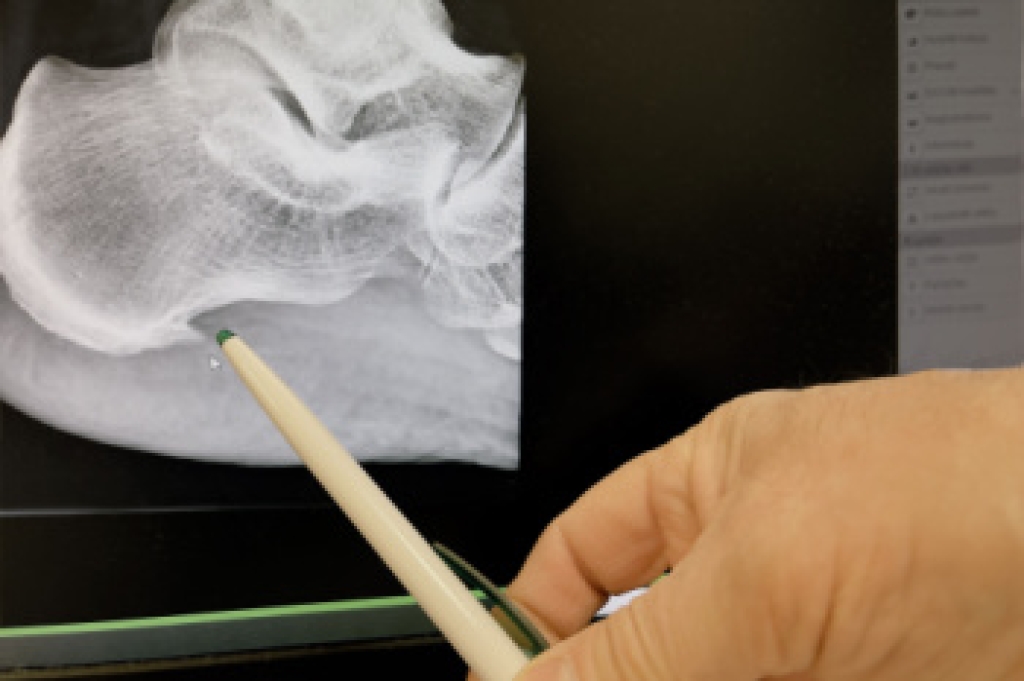
Read more about Toenail Fungus

Keep Your Feet Healthy So You Can Stay Active

Have your feet inspected by a professional before starting a new sport or physical activity. Taking charge of your foot health will keep you in good physical condition and can help you avoid a potential injury, such as a fracture or sprained ankle.

Prevent injuries and see a foot specialist.

Risk Factors and Symptoms of Athlete’s Foot

Athlete’s foot is a fungal infection that forms when fungus grows on the skin of the feet, especially in warm and damp spaces between the toes. It can affect people of all ages. The risk of athlete’s foot increases when people walk barefoot in shared locker rooms, wear heavy boots for long hours, sweat excessively, or have circulation problems. Tight shoes that lack adequate support or worn-out flip-flops can trap moisture around the toes. Symptoms of athlete's foot include itching, peeling skin, redness, and soft, whitish areas between the toes. In some cases, small blisters can form on the inner foot or dry scaling may develop along the sole. A podiatrist can examine the infected area, confirm the cause, and guide a treatment that helps clear the infection and prevent complications. If you have an athlete's foot infection, it is suggested that you make an appointment with a podiatrist for a diagnosis and treatment.

Athlete’s Foot

Athlete’s foot is often an uncomfortable condition to experience. Thankfully, podiatrists specialize in treating athlete’s foot and offer the best treatment options. If you have any questions about athlete’s foot, consult with one of our podiatrists from Cleveland Foot & Ankle Clinic. Our doctors will assess your condition and provide you with quality treatment.

What Is Athlete’s Foot?

Tinea pedis, more commonly known as athlete’s foot, is a non-serious and common fungal infection of the foot. Athlete’s foot is contagious and can be contracted by touching someone who has it or infected surfaces. The most common places contaminated by it are public showers, locker rooms, and swimming pools. Once contracted, it grows on feet that are left inside moist, dark, and warm shoes and socks.

Prevention

The most effective ways to prevent athlete’s foot include:

  • Thoroughly washing and drying feet
  • Avoid going barefoot in locker rooms and public showers
  • Using shower shoes in public showers
  • Wearing socks that allow the feet to breathe
  • Changing socks and shoes frequently if you sweat a lot

Symptoms

Athlete’s foot initially occurs as a rash between the toes. However, if left undiagnosed, it can spread to the sides and bottom of the feet, toenails, and if touched by hand, the hands themselves. Symptoms include:

  • Redness
  • Burning
  • Itching
  • Scaly and peeling skin

Diagnosis and Treatment

Diagnosis is quick and easy. Skin samples will be taken and either viewed under a microscope or sent to a lab for testing. Sometimes, a podiatrist can diagnose it based on simply looking at it. Once confirmed, treatment options include oral and topical antifungal medications.

If you have any questions, please feel free to contact our offices located in Cleveland, Independence, and Kent, OH . We offer the newest diagnostic and treatment technologies for all your foot care needs.

Read more about Athlete's Foot

Recognizing and Healing Foot Stress Fractures

Tiny bone cracks in the foot often appear after repetitive strain, long walks, or sudden increases in exercise. The discomfort usually begins as a dull ache that worsens with movement and eases with rest. Swelling, tenderness, or pain in a specific spot may signal that the bone has been overstressed and needs attention. A podiatrist can identify a stress fracture through imaging tests and a hands-on exam. Treatment usually involves taking pressure off the foot so the bone can mend naturally. Supportive footwear, protective boots, or temporary use of crutches may be recommended. Once healing is underway, gentle activity helps rebuild strength and stability. If you continue to feel pain in your foot during daily activity, it is suggested that you see a podiatrist to prevent the injury from becoming more serious.

Stress fractures occur when there is a tiny crack within a bone. To learn more, contact one of our podiatrists from Cleveland Foot & Ankle Clinic. Our doctors can provide the care you need to keep you pain free and on your feet.

How Are They Caused?

Stress fractures are the result of repetitive force being placed on the bone. Since the lower leg and feet often carry most of the body’s weight, stress fractures are likely to occur in these areas. If you rush into a new exercise, you are more likely to develop a stress fracture since you are starting too much, too soon.  Pain resulting from stress fractures may go unnoticed at first, however it may start to worsen over time.

Risk Factors

  • Gender – They are more commonly found in women compared to men.
  • Foot Problems – People with unusual arches in their feet are more likely to develop stress fractures.
  • Certain Sports – Dancers, gymnasts, tennis players, runners, and basketball players are more likely to develop stress fractures.
  • Lack of Nutrients – A lack of vitamin D and calcium may weaken the bones and make you more prone to stress fractures
  • Weak Bones – Osteoporosis can weaken the bones therefore resulting in stress fractures

Stress fractures do not always heal properly, so it is important that you seek help from a podiatrist if you suspect you may have one. Ignoring your stress fracture may cause it to worsen, and you may develop chronic pain as well as additional fractures.

If you have any questions please contact our offices located in Cleveland, Independence, and Kent, OH . We offer the newest diagnostic and treatment technologies for all your foot and ankle needs.

Read more about Stress Fractures of the Foot and Ankle

Types of Ankle Strength Exercises

Strengthening the ankles is an important way to improve stability and reduce the chance of future injury. The ankle joint, which connects the leg to the foot, relies on surrounding muscles and ligaments for balance and support. When those tissues become weak, the foot may be more prone to sprains, instability, or recurring pain. Ankle exercises that focus on strength can be grouped into static, resistance, and dynamic movements. Static exercises allow the ankle muscles to tighten without moving the joint, helping to rebuild strength after an injury. Resistance work, such as using bands to push or pull the foot in different directions, helps improve stability in daily walking or running. Dynamic exercises target the arches and toes, such as lifting the arch, scrunching a towel with the toes, or picking up objects to build strength in the smaller muscles of the foot. If you have ankle weakness, it is suggested that you schedule  an appointment with a podiatrist for an exam and appropriate treatment.

Exercising your feet regularly with the proper foot wear is a great way to prevent injuries and build strength. If you have any concerns about your feet, contact one of our podiatrists from Cleveland Foot & Ankle Clinic. Our doctors can provide the care you need to keep you pain-free and on your feet.

Exercise for Your Feet

Exercise for your feet can help you gain strength, mobility and flexibility in your feet. They say that strengthening your feet can be just as rewarding as strengthening another part of the body. Your feet are very important, and we often forget about them in our daily tasks. But it is because of our feet that are we able to get going and do what we need to. For those of us fortunate enough to not have any foot problems, it is an important gesture to take care of them to ensure good health in the long run.

Some foot health exercises can include ankle pumps, tip-toeing, toe rises, lifting off the floor doing reps and sets, and flexing the toes. It is best to speak with Our doctors to determine an appropriate regimen for your needs. Everyone’s needs and bodies are different, and the activities required to maintain strength in the feet vary from individual to individual. 

Once you get into a routine of doing regular exercise, you may notice a difference in your feet and how strong they may become.

If you have any questions, please feel free to contact our offices located in Cleveland, Independence, and Kent, OH . We offer the newest diagnostic and treatment technologies for all your foot care needs.

Read more about Exercise for Your Feet

Connect With Us

scroll-to-top