It's Time for Beautiful Feet

You don't need an excuse to have beautiful nails. Step outside without worrying about the appearance of your feet.

Helping Children With Foot Support

Children can develop a range of foot conditions that affect how they walk and play. Flat feet occur when the arch does not form fully, causing the foot to roll inward and place stress on joints. In contrast, a rigid high-arch foot places excess pressure on the heel and ball of the foot, often leading to discomfort and poor shock absorption. These conditions may appear as uneven wear on shoes, frequent tripping, or complaints of foot pain after activity. They can develop due to genetics, growth patterns, or muscle imbalance. A podiatrist can evaluate foot structure and movement, then design custom orthotics to support proper alignment and improve function. Early care can help prevent long-term issues with walking and posture. If your child has foot pain, it is suggested that you consult a podiatrist who can determine the cause and discuss the benefits of custom-made orthotics with you.

Making sure that your children maintain good foot health is very important as they grow. If you have any questions, contact one of our podiatrists of Cleveland Foot & Ankle Clinic. Our doctors can provide the care you need to keep you pain-free and on your feet.

Keeping Children's Feet Healthy

Having healthy feet during childhood can help prevent medical problems later in life, namely in the back and legs. As children grow, their feet require different types of care. Here are some things to consider...

Although babies do not walk yet, it is still very important to take care of their feet.

Avoid putting tight shoes or socks on his or her feet.

Allow the baby to stretch and kick his or her feet to feel comfortable.

As a toddler, kids are now on the move and begin to develop differently. At this age, toddlers are getting a feel for walking, so don’t be alarmed if your toddler is unsteady or ‘walks funny’. 

As your child gets older, it is important to teach them how to take care of their feet.

Show them proper hygiene to prevent infections such as fungus.

Be watchful for any pain or injury.

Have all injuries checked by a doctor as soon as possible.

Comfortable, protective shoes should always be worn, especially at play.

If you have any questions, please feel free to contact our offices located in Cleveland, Independence, and Kent, OH . We offer the newest diagnostic and treatment technologies for all your foot care needs.

Read more about What to Do to Keep Your Child’s Feet Healthy

Nails That Change Color and Texture

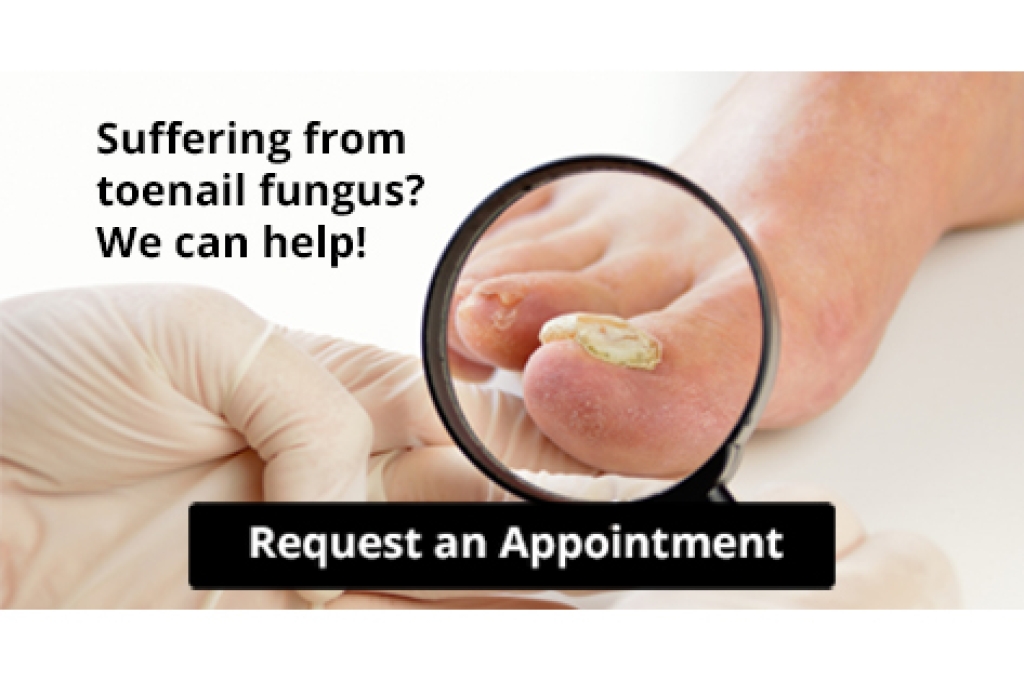
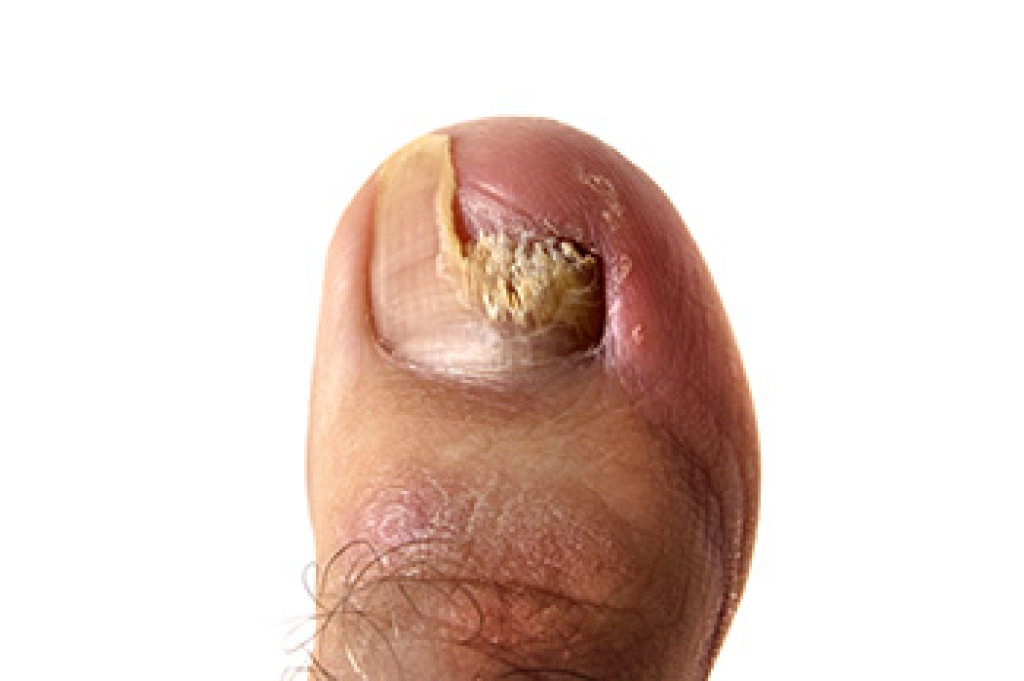
Toenail fungus, also called onychomycosis, is a common infection that can affect one or several toenails. The condition often begins with a small white or yellow spot under the tip of the nail and may gradually spread deeper into the nail. As the infection progresses, the nail may become thickened, brittle, crumbly, or distorted in shape. Some nails appear yellow, brown, or cloudy, and there may be an unpleasant odor. Toenail fungus can develop from walking barefoot in damp public areas, wearing tight shoes, sweating excessively, or having small cracks in the nail or skin that allow fungi to enter. People with diabetes or circulation problems may be at greater risk. A podiatrist can diagnose the infection by examining the nail and may take a small sample for testing. Treatment options include topical medications, oral antifungal medicine, and debridement to reduce thickness and discomfort. If you have toenail fungus, it is suggested that you schedule an appointment with a podiatrist for appropriate treatment solutions.

If left untreated, toenail fungus may spread to other toenails, skin, or even fingernails. If you suspect you have toenail fungus it is important to seek treatment right away. For more information about treatment, contact one of our podiatrists of Cleveland Foot & Ankle Clinic. Our doctors can provide the care you need to keep you pain-free and on your feet.

Symptoms

  • Warped or oddly shaped nails
  • Yellowish nails
  • Loose/separated nail
  • Buildup of bits and pieces of nail fragments under the nail
  • Brittle, broken, thickened nail

Treatment

If self-care strategies and over-the-counter medications does not help your fungus, your podiatrist may give you a prescription drug instead. Even if you find relief from your toenail fungus symptoms, you may experience a repeat infection in the future.

Prevention

In order to prevent getting toenail fungus in the future, you should always make sure to wash your feet with soap and water. After washing, it is important to dry your feet thoroughly especially in between the toes. When trimming your toenails, be sure to trim straight across instead of in a rounded shape. It is crucial not to cover up discolored nails with nail polish because that will prevent your nail from being able to “breathe”.

In some cases, surgical procedure may be needed to remove the toenail fungus. Consult with your podiatrist about the best treatment options for your case of toenail fungus.  

If you have any questions please contact our offices located in Cleveland, Independence, and Kent, OH . We offer the newest diagnostic and treatment technologies for all your foot and ankle needs.

Read more about Treating Toenail Fungus

Recognizing an Infected Ingrown Toenail

When an ingrown toenail becomes infected, it often causes redness, swelling, and pain that worsens with pressure. The area where the toenail has grown into the skin may feel warm, and fluid or pus can form as the body responds to bacteria or fungus. Infections can develop quickly and may spread deeper into the toe, if not addressed quickly. People with poor circulation or nerve damage in the feet face a higher risk of complications because healing is impaired. A podiatrist can examine the toe and confirm the cause of the infection. If necessary, the problem section of the nail can be removed safely. Care includes cleaning the area, reducing pressure on the nail, and prescribing medication, as needed. Early treatment helps prevent deeper tissue damage and ongoing discomfort. If you are suffering from an ingrown toenail problem, it is suggested that you schedule an appointment with a podiatrist for appropriate treatment.

Ingrown toenails can become painful if they are not treated properly. For more information about ingrown toenails, contact one of our podiatrists of Cleveland Foot & Ankle Clinic. Our doctors can provide the care you need to keep you pain-free and on your feet.

Ingrown Toenails

Ingrown toenails occur when a toenail grows sideways into the bed of the nail, causing pain, swelling, and possibly infection.

Causes

  • Bacterial infections
  • Improper nail cutting such as cutting it too short or not straight across
  • Trauma to the toe, such as stubbing, which causes the nail to grow back irregularly
  • Ill-fitting shoes that bunch the toes too close together
  • Genetic predisposition

Prevention

Wearing proper fitting shoes and using proper cutting techniques will also help decrease your risk of developing ingrown toenails.

Treatment

Ingrown toenails are a very treatable foot condition. In minor cases, soaking the affected area in salt or antibacterial soaps will not only help with the ingrown nail itself, but also help prevent any infections from occurring. In more severe cases, surgery is an option. In either case, speaking to your podiatrist about this condition will help you get a better understanding of specific treatment options that are right for you.

If you have any questions, please feel free to contact our offices located in Cleveland, Independence, and Kent, OH . We offer the newest diagnostic and treatment technologies for all your foot care needs.

Read more about Ingrown Toenail Care

Connect With Us

scroll-to-top